Interviewing Bands for Your Show: A Guide for Heavy Metal Radio Hosts
You’ve just hit send on an email to a band you’ve been spinning for months, and now your heart is pounding. Two days later, a reply lands in your inbox: “Yeah, we’d love to come on the show.” Suddenly you’re scrambling to figure out recording software, question lists, and how to keep a doom metal guitarist talking for more than three minutes. We’ve been there. As internet radio hosts in the doom and heavy metal community, we sit in a unique spot — close enough to the scene to earn trust, but independent enough to offer something a mainstream station never could. This guide walks you through everything we’ve learned about booking, preparing, recording, and promoting band interviews for a heavy metal radio show.
Why Band Interviews Are Essential for Your Heavy Metal Radio Show
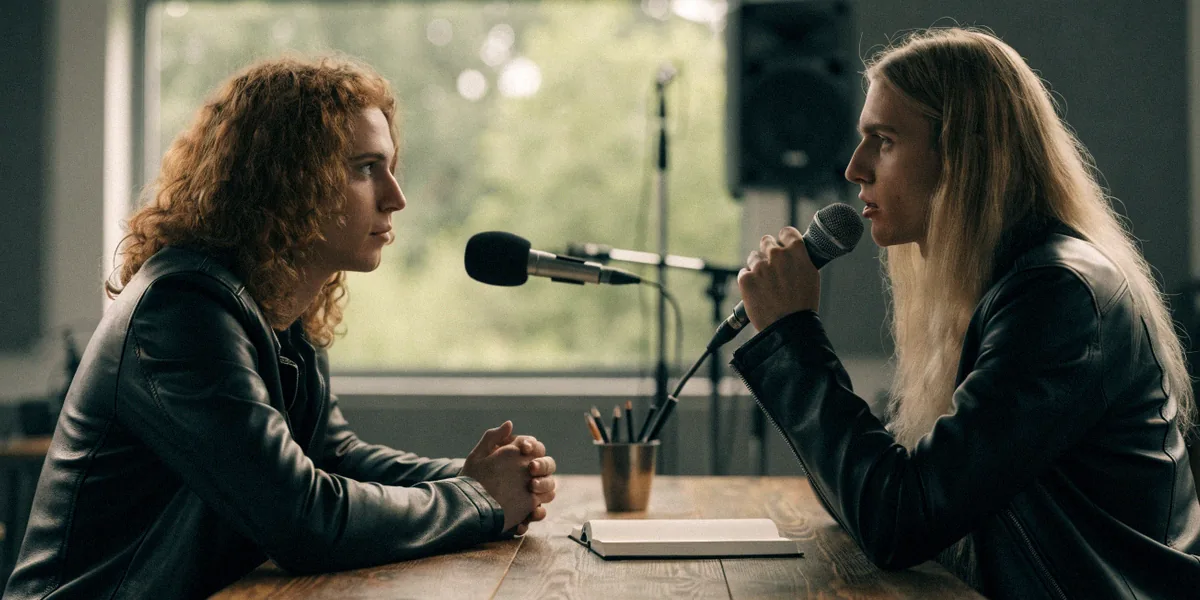
Playing great doom metal and heavy metal radio tracks is the foundation, but interviews are what turn casual listeners into loyal fans. When someone hears a band talk about the story behind a riff or a rough tour van ride through Northern Ontario, the music hits differently the next time it plays. Interviews give your metal playlists context, and context keeps people tuned in.
Canadian bands have built real momentum through this kind of exposure. Woods of Ypres, the Ontario doom metal band, used interviews and word-of-mouth storytelling to grow a devoted following before David Gold’s passing. Blood Ceremony, the Toronto-based doom rock band, has done the same with a string of thoughtful, atmospheric interviews that introduced their occult-tinged sound to listeners far beyond the GTA.
Building Credibility with Bands and Labels
Every interview you land makes the next one easier. When a label publicist sees that you treated their artist with respect — good questions, clean audio, professional promotion — your name moves up the list. Over time, you become someone labels actually pitch to, rather than someone who has to chase them.
Attracting New Listeners Through Exclusive Content
An exclusive interview is content nobody else has. Fans of the band will seek out your show specifically to hear it, and if you publish clips or a transcript, those can circulate on metal forums and social media for months. That’s free promotion for your internet radio show, powered entirely by the band’s existing audience.
How to Approach and Book Bands for Your Internet Radio Show
Booking is mostly about research and respect. Nobody wants a generic “hey, come on my show” message. Do the work first, and you’ll stand out.
- Listen to the band’s full discography, not just the single.
- Read their recent interviews so you don’t repeat the same five questions.
- Find the right contact — band email, manager, or publicist.
- Personalize every message with a specific reference to their music.
- Be clear about timing, format, and what you’ll do with the recording.
Canadian acts like Anciients, the progressive metal band from Vancouver, and Unleash the Archers, the power metal band from British Columbia, are great examples of groups that are generally open to thoughtful interview requests when the pitch is solid. They’ve built careers on touring and community connection, and they understand the value of independent radio.
Crafting the Perfect Interview Request
Keep it short. Introduce yourself and your show, mention one specific thing you love about their latest release, state exactly what you’re asking for (a 30-minute remote interview, for example), and offer flexible dates. Attach or link a recent episode so they can hear your vibe before saying yes.
Working with Publicists and Labels
If a band has a publicist, go through them. Publicists work on schedules and need lead time, so reach out three to six weeks ahead if you want to tie an interview to a release. Be professional, meet your deadlines, and send them the final link afterward — they remember hosts who make their job easy.
Handling Rejections and Following Up
Rejections are normal. Bands are on tour, in the studio, or simply burnt out on press. Thank them, ask if there’s a better time down the road, and move on. A polite follow-up two or three months later often lands the interview you missed the first time.
Preparing for the Interview: Research and Question Design
This is where good interviews are won. We spend at least as long researching as we do recording. Listen to the whole album, read past interviews, and understand where the band sits in their local scene. Knowing the difference between Toronto’s doom scene and Vancouver’s heavy metal community — different crowds, different venues, different sounds — lets you ask questions that actually land.
Crafting Questions That Go Beyond the Basics
Skip “what’s your biggest influence?” unless you have a fresh angle. Instead, ask about a specific song’s structure, a decision to change producers, or how a particular city shaped a record. Bands open up when they can tell you haven’t just skimmed their Wikipedia page.
Balancing Serious Topics with Humor and Personality
Doom metal often deals with grief, isolation, and darkness, and those themes deserve space. But an entire interview of heavy topics gets exhausting for everyone. Mix in lighter questions — worst venue food, weirdest fan encounter, what they’re listening to on the road — so the conversation breathes.
Recording and Producing Your Band Interview
You don’t need a studio. You need clean audio and a reliable setup. For remote interviews, we typically use Riverside for its local recording quality, or Audacity if we’re capturing a simple call. Always record a short test before the real thing, and ask the guest to wear headphones to avoid echo.
Remote vs. In-Person Interviews
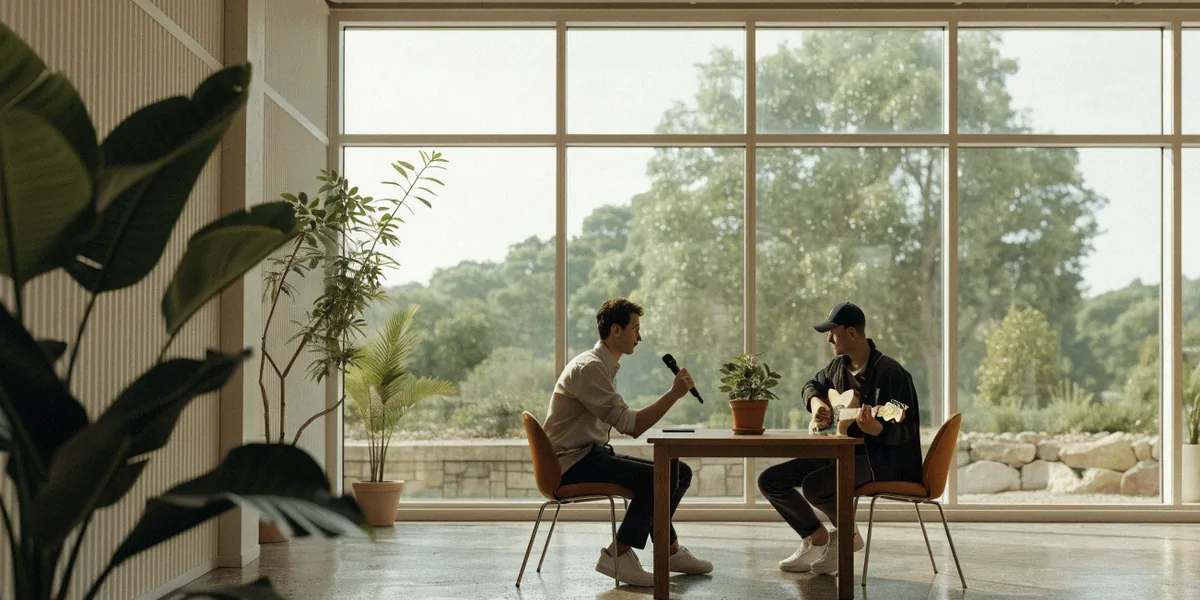
Remote interviews are easier to book and work well for bands on tour. In-person interviews — at a venue, a rehearsal space, or a festival — capture atmosphere and energy that remote calls can’t match. If you can get to a local show, bring a portable recorder and grab 15 minutes backstage.
Editing Tips for a Polished Final Product
Trim long pauses, remove technical hiccups, and cut anything that doesn’t serve the listener. Keep the final interview tight — 20 to 40 minutes is plenty. Once edited, integrate the interview into your metal playlists on platforms like Doomradio.net by sandwiching it between tracks from the featured band, so listeners hear the music immediately after the conversation.
Promoting Your Interview and Engaging Your Audience
An interview nobody hears is wasted effort. Treat promotion as part of the production. Pull a 60-second clip for social media, write a short blog post summarizing the highlights, and tag the band in everything you publish.
Leveraging Social Media and Metal Forums
Post clips on Instagram, Facebook, and X, and share the full episode in relevant subreddits and metal forums. Canadian outlets like BraveWords, the long-running Canadian heavy metal news website, are worth pitching if the interview has a strong news hook. Metal Injection Canada and similar blogs also cover independent radio content when it’s timely and well-packaged.
Collaborating with the Band for Mutual Promotion
Ask the band to share the episode with their followers — most will, especially if you send them ready-made graphics and clip links. Cross-promotion multiplies your reach without costing a dollar, and it builds the kind of relationship that leads to future interviews and referrals.
FAQ
Do I need a professional studio to interview bands for my heavy metal radio show?
No. A quiet room, a decent USB microphone, and software like Audacity or Riverside are enough. Clean audio matters more than expensive gear.
How far in advance should I book a band interview?
For independent bands, two to four weeks is usually fine. If you’re working with a publicist or tying the interview to an album release, reach out four to six weeks ahead.
What if the band cancels at the last minute?
It happens. Stay gracious, offer to reschedule, and always have a backup plan — a pre-recorded segment, a playlist special, or a listener Q&A — so your show still goes out on time.
How long should a finished band interview be?
Aim for 20 to 40 minutes of edited audio. Long enough to go deep, short enough to keep listeners engaged between your doom metal and heavy metal radio tracks.
Can I use interview clips on social media?
Yes, but always ask the band first and credit them clearly. Most artists are happy for the extra exposure and will even share your clips themselves.
Authentic, well-prepared interviews do more for your internet radio show than any promotional gimmick. They build trust with bands, give listeners something they can’t get anywhere else, and slowly turn your program into a recognized voice in the global heavy metal radio community. Do the research, respect the artists, and keep the conversation real — the rest follows.